
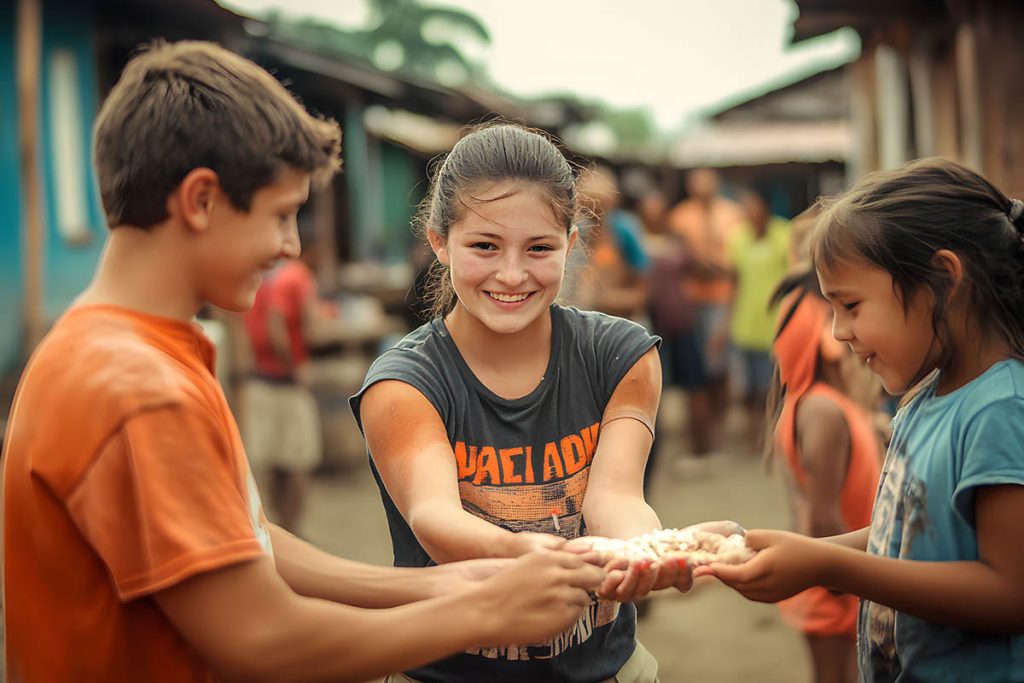
In the pursuit of a just and inclusive society, safeguarding the rights and well-being of children remains a shared responsibility that demands collective action. Strengthening partnerships for child protection, family reintegration, and sustainable livelihoods is a critical pathway toward ensuring that every child—especially orphans and vulnerable adolescents—grows up in a safe, nurturing, and empowering environment.
Advancing Child Rights and Protection through Collaboration
Children are the most valuable asset of any nation, yet millions continue to face abuse, neglect, exploitation, and separation from their families. Addressing these challenges requires a coordinated effort among government institutions, civil society, community leaders, faith-based organizations, and development partners. By strengthening these partnerships, stakeholders can align policies, share resources, and enhance response systems that protect children from harm and uphold their fundamental rights.
Collaborative frameworks help ensure that child protection services are not fragmented but integrated—linking social welfare, education, health, and justice systems. This approach fosters a protective environment that promotes prevention, early identification of risks, and timely interventions for at-risk children.
Promoting Family Reintegration and Community-Based Care
Every child deserves to grow up in a family setting where they can experience love, belonging, and guidance. Reintegration programs aim to reunite children separated from their families—due to poverty, conflict, or abuse—with their biological or extended families whenever it is safe and in the best interest of the child. Strengthening partnerships among social workers, community volunteers, and family tracing networks ensures that the reintegration process is both sustainable and sensitive to the child’s emotional and psychological needs.
Where family reintegration is not immediately possible, organized homes and alternative care arrangements must provide family-like environments that promote holistic child development. Continued partnership among these care institutions helps standardize best practices, improve caregiver capacity, and maintain accountability to child rights principles.
Building Sustainable Livelihoods for Long-Term Stability
Economic vulnerability is a leading factor that contributes to family separation and child neglect. Supporting caregivers and youth with livelihood opportunities is therefore essential for long-term child protection and stability. Through multi-sectoral partnerships—bringing together government livelihood programs, private sector initiatives, and community-based savings groups—families can access skills training, start-up capital, and mentorship for income-generating activities.
These interventions not only reduce dependency but also promote dignity, resilience, and self-reliance among formerly vulnerable households. Empowered families are better equipped to provide education, nutrition, and care—creating a foundation for sustainable social transformation.
Towards a United Front for Child Well-Being
The success of child protection and reintegration initiatives depends on unity of purpose. By strengthening partnerships, stakeholders can build a robust ecosystem that prioritizes children’s rights, reinforces family bonds, and supports communities to thrive economically.
Investing in children today is investing in the future of the nation. It is through collective effort—anchored in compassion, accountability, and collaboration—that we can ensure every child grows up safe, supported, and prepared to reach their full potential.